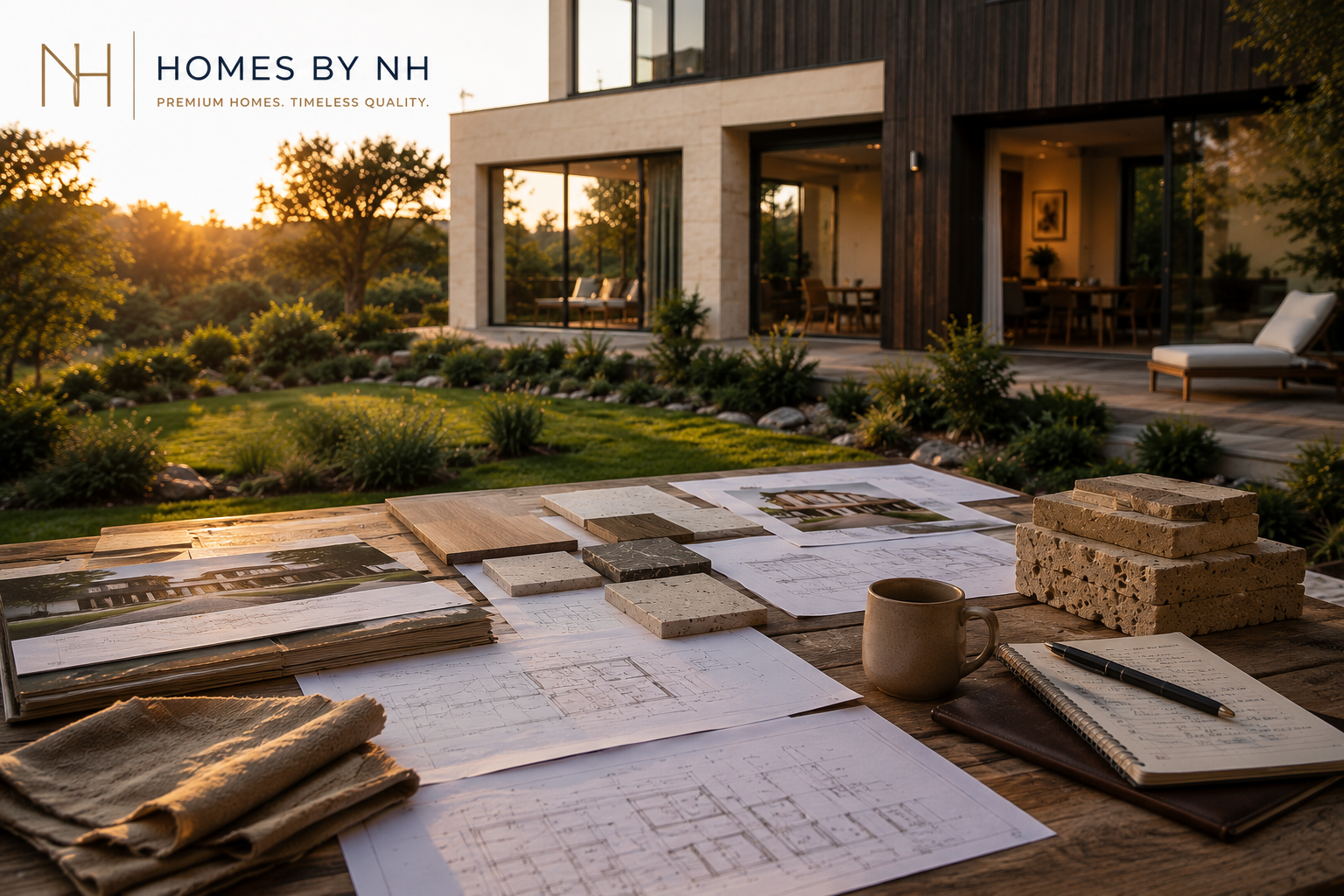
Smart planning and a few local-savvy choices can save you thousands on your Geelong build or renovation.
Building or renovating in Geelong or the Bellarine Peninsula is exciting, but the numbers can climb quickly if things are not planned with care. We see people start with a clear vision, only to watch budgets stretch as small decisions compound into big costs. It does not have to be that way.
With thoughtful design, realistic expectations, and the right process, you can protect your budget while still ending up with a home you feel proud of. In this Ultimate Guide to Building or Renovating a Home in Geelong & the Bellarine Peninsula (2026 Edition), we want to walk you through practical, genuinely useful cost-saving tips that we use every day when helping clients shape their homes.
Below are seven cost-savvy strategies that suit our local conditions, council requirements, and the way people in Geelong and on the Bellarine actually live.
1. Start with a clear scope and a realistic budget
Blowouts usually begin before anyone picks up a hammer. Vague ideas lead to vague pricing, and that is where unexpected costs hide. We always encourage you to be very clear on your must-haves, your nice-to-haves, and your absolute deal-breakers before design work gets too far.
A good starting approach is to map out three key numbers:
Your absolute maximum budget, including a contingency
Your ideal spend, which is usually lower than your maximum
A contingency amount, commonly 10 to 15 percent of the overall budget
When we sit down and talk about these figures early, we can design within real limits instead of guesswork. It is far cheaper to move a wall on a drawing than on-site once framing is up.
2. Design to the block, not against it
Geelong and the Bellarine Peninsula have a mix of coastal, suburban, and semi-rural blocks, each with its own quirks. Trying to force a one-size-fits-all design onto a sloping or narrow site can add serious excavation, retaining, and structural costs.
We prefer to read the block first. That means looking at:
Natural fall and whether we can step the house rather than cut and fill
Orientation to capture winter sun and natural light
Existing views and privacy from neighbouring homes
Local council overlays, like coastal or heritage controls
When the design works with the land, you often save on site preparation, complex engineering, and ongoing energy costs, because the home passively performs better.
3. Prioritise layout over luxury finishes
It is tempting to pour money into expensive tiles, benchtops, and tapware, especially when you are scrolling through inspiration photos. But from a cost-saving point of view, the layout of the home will always matter more than surface finishes.
A well-resolved floor plan can:
Reduce wasted corridors and circulation space
Minimise structural complexity
Improve natural light and airflow so you need less artificial lighting and cooling
Create a more flexible home that adapts as your family changes
Once the layout is working hard for you, we can help you choose finishes that look great but do not break the bank. Often, there are mid-range products that give a similar visual effect to premium options, without the same price tag or maintenance demands.
4. Simplify the structure and roof design
Complex shapes cost more. It is as straightforward as that. Every extra corner, change in roof line, or unusual angle introduces more framing, more flashing, and more labour.
Where possible, we look for ways to keep the structure efficient:
1. Use clean building lines and avoid unnecessary bump-outs that add little usable space.
2. Keep roof forms simple and consistent across the home.
3. Align upper and lower floors (if two storey) to avoid heavy structural transfers.
4. Design wet areas (bathrooms, laundry, kitchen) to be grouped or stacked, which can reduce plumbing runs.
You still end up with a good-looking home, but the money is going into solid, practical construction rather than complexity that is mostly invisible once you move in.
5. Be strategic about where you spend extra
Not every part of the home needs to be premium. In fact, deliberately choosing a few hero areas to elevate, and keeping the rest sensible, is one of the best cost-control techniques in this Ultimate Guide to Building or Renovating a Home in Geelong & the Bellarine Peninsula (2026 Edition).
A useful way to think about upgrades is:
High impact, daily-use areas: kitchen, main bathroom, living, outdoor entertaining
Lower impact, functional spaces: secondary bedrooms, hallway storage, rear laundry entries
You might choose stone benchtops and feature lighting in the kitchen, but go with cost-effective vinyl plank flooring in secondary bedrooms. Or invest more in quality windows and insulation, while choosing simpler cabinetry fronts. We often walk through these trade-offs with clients room by room, so you understand exactly where your money is going.
6. Plan ahead to reduce variations and delays
Variations are one of the fastest ways a budget spirals. Every late change on site can trigger rework, extra labour, and sometimes wasted materials. It can also push timelines out, which adds holding costs if you are renting or paying a mortgage while the build runs.
To keep a lid on variations, we focus on:
Completing as many selections as possible before construction starts
Carefully reviewing plans and 3D views so you can visualise the final spaces
Clarifying small details early, like power point locations and kitchen storage
Building a detailed specification, not a loose one
When we take this approach, there are fewer surprises on site. The trades know exactly what they are doing, materials are ordered accurately, and you are not making rushed decisions under pressure.
7. Think long term: operating costs, not just build costs
A cheaper build today can end up more expensive over the next 10 or 20 years if the home is inefficient or poorly planned. Our climate in Geelong and around the Bellarine Peninsula can swing from cold southerlies to hot summer days, so comfort and performance really matter.
Some thoughtful long-term investments include:
Good insulation and careful attention to sealing drafts
Quality glazing, especially to the west and south exposures
Shading on north and west windows to avoid overheating
Durable external materials suited to coastal or high-wind conditions where needed
These choices may add a little upfront, but they can reduce your power bills, improve comfort, and lower maintenance. In the bigger picture, that often works out cheaper and more enjoyable than cutting too many corners at the start.
Bringing your Geelong home plans together
The ideas in this Ultimate Guide to Building or Renovating a Home in Geelong & the Bellarine Peninsula (2026 Edition) all come back to the same core principle: clear decisions made early, with honest numbers on the table. When design, budget, and construction planning line up, the build or renovation experience is far less stressful and the end result usually feels right.
We enjoy sitting down with you at the beginning, sketching ideas, asking questions that maybe you have not considered yet, and gradually shaping a home that fits your lifestyle, your block, and your budget. The goal is always the same: a home that feels good to live in, without the feeling that you had to overspend to get there.
Ready to begin
At Homes By NH, we believe a well-planned Geelong home project should feel collaborative, not overwhelming. We guide you through each step, from early concepts and budgeting right through to the final walk-through, so that every dollar in your build or renovation is working hard for you.
If you are starting to picture how these cost-saving ideas could apply to your own block or existing home, we are ready to explore the options with you and help turn those first rough ideas into something real and buildable that fits your life.
